
You got the timber-tailored product: It's installed and ready to accentuate your outdoor living space.
Now what?
You were told the timber was top-quality, you were told it’s been pressure-treated.
You were told that the shed, fence, cabin, chair, bench, bin store, planter, trellis, log store, stables, or some other thing you bought, like a custom-made craft’s’ timber was sturdy: long-lasting, durable, and strong.
You ask, though, ‘now what?’
Rightly so.
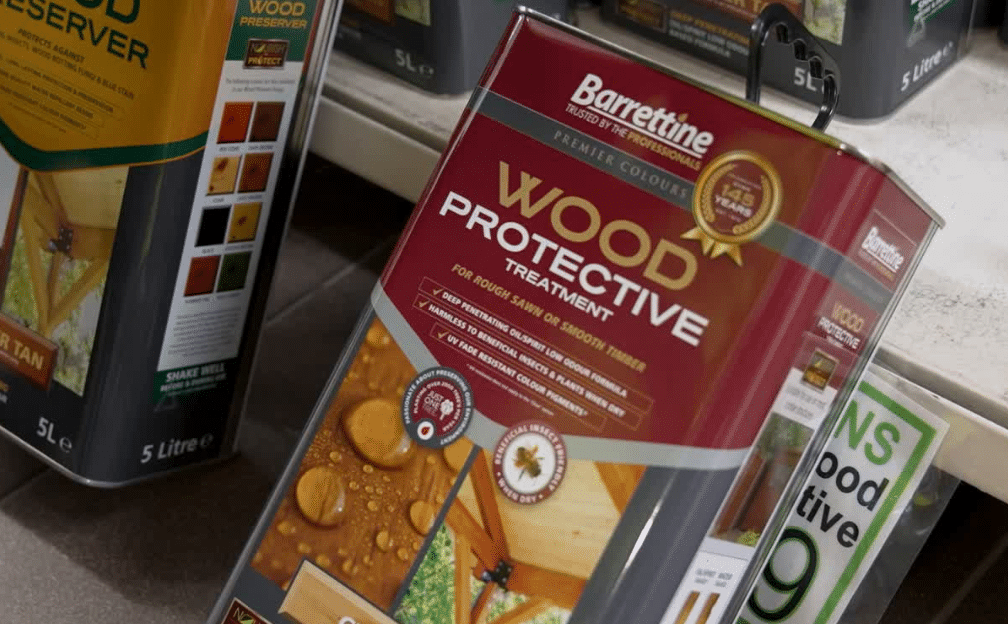
Now, it's time to maintain and upkeep your items.
‘And how d’you do that?’
Good question. Without background knowledge, looking at the shelves by our counters, in our showrooms: it is daunting.
So let’s simplify it into a three-pronged list.
- We’ll help you decipher the differences between wood preserver and wood protector
- We’ll guide you, and let you know when to apply wood stain and wood primer products
- And, we’ll end this by giving you a guide to the best seasons for: upkeep and maintenance, with, a visual alongside.
So, how do you tell the difference between wood protector and wood preserver?
To start with (it’s pedantic, we know, sorry), the label of the product should state protector (protective) or preserver.
If the item’s unlabelled (or incorrectly labelled), we’d advise you: ‘Do not buy it.’
Products of this nature (and, the same goes for follow-on products in this write-up) must be: clearly labelled, have directions of use on the item, with a properties and/or item contains section. It must also have the appropriate warning signs on – like strong advisories to not inhale, ingest, or touch the contents with your bare hands.
Beyond that, if the above is okay, proceed with your purchase. But, ensure you know what you’re using the item for.
If you picked up wood preserver – please note – this item is for preserving the wood from the following:
- Mould and Spores
- Insect infestations
- Rot
- Decay
- And, other fungi.
*Although not officially listed, overhanging plants, climbers and overgrown ivy can play a part in these things occurring. And, if you use the item yourself, you are a factor to consider. Just like you get humidity and damp coming inside your four-walls, behind double-glazing, it can happen here too. Your home and timber: both strong, sturdy places. And both, need upkeep and maintenance.
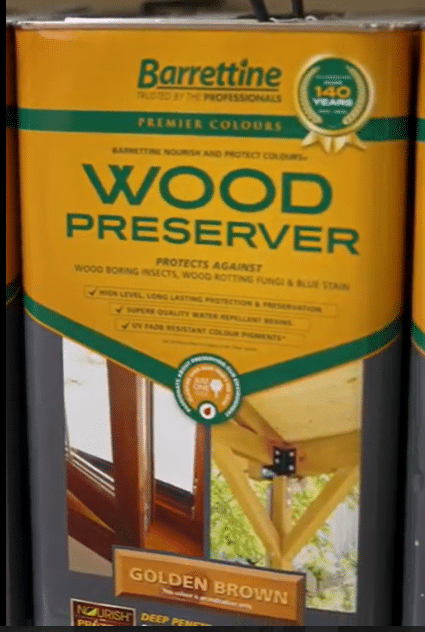
But some of you, unknowingly, have picked up the wood protector before.
Haven’t you?
Easily done. You read the word protector and it sounded right.
It’s a busy world we live in. You didn’t have time to check. We didn’t have the information available at the time, the Atkinsons expert wasn’t there to ask, and you thought the English Language would sit right with the product, but when you closely at products, all products, in any UK/World-wide industry…
Well, you’re here now, so let’s not panic.
Wood protector is a good product, but its purpose differs from preserver.
Here’s what wood protector is used for:
- It protects your timber from the elements: like the rain and wind
- It protects it from UV rays and sun-bleaching
- It protects and enhances the life-span of the material
- It protects and re-invigorates the appearance of it
- And, it’s recommended application is on pre-treated wood
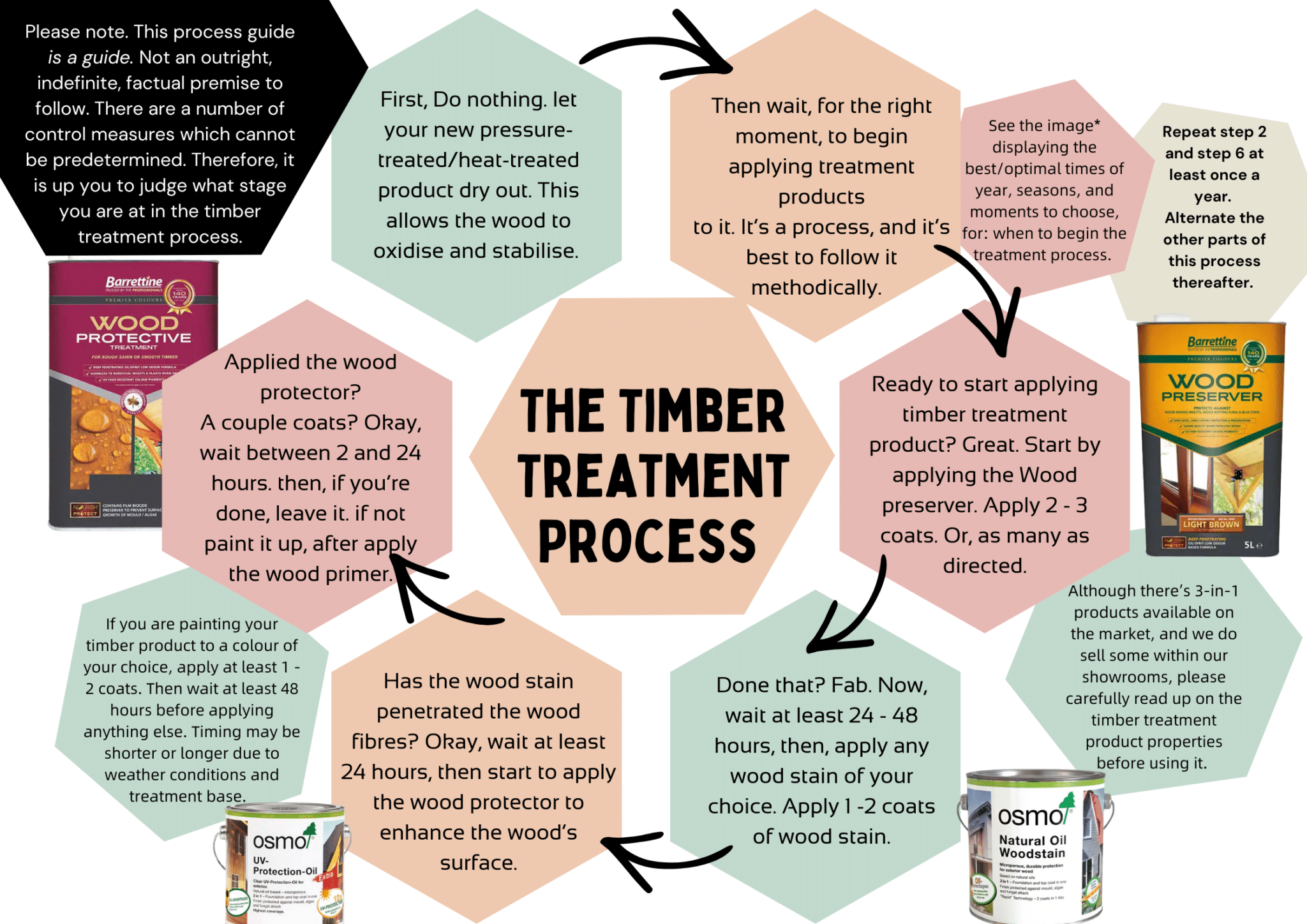
To put a clarifier upon the last point, if wood has not been pre-treated it needs to have gone through a wood preservatives process before the application of anything else. Only after this process, and the process of applying multicide wood cleaner, can you go ahead and apply wood treatment products – protector being on of last ones within the process. (See imagery below for the timber treatment process).
A final couple notes on this section:
- Apply treatment products, as directed, at least once a year.
- And see the final section for advised times of the year, for application. ***Inc. Drying time after pressure/heat treatment.
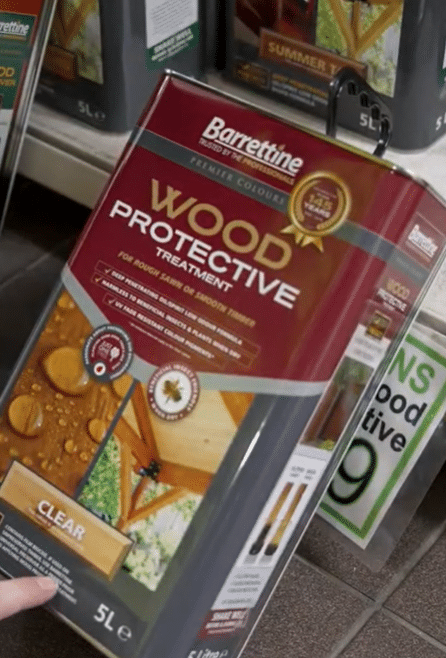
So that's your timber protector and preserver applications understood. What's next?
Why not slap some wood primer or wood stain onto your timber next?
‘Quickly, right?’
No. Wait.
Only apply the wood preserver first. After the wood’s dried out.
Once this has been applied. Wait. Wait at least 24-48 hours before applying anything else. And wait some more, after that, before applying the wood stain.
‘Why?’
It’s about being careful. Key point: Do not try to apply wood stain directly after a coating of wood primer or wood protector. Wood stain’s meant for penetrating into the bare wood fibres, enhancing its grains and textures, and providing another layer of protection from weathering.
But, here’s what it won’t do.
- Wood stain will not provide the seal the wood needs to completely protect it from the wind and the rain. (That’s what wood protector is for!)
- Wood stain is also not easily applied, without the timber being clean
- And finally, wood stain tends to take longer (in the application process) to penetrate hardwoods, opposed to softwoods
It can even create a bubbling surface effect. This means painting over it will be a near impossible task to do. Especially, if you’re looking for a smooth finish. In short, don’t apply it too soon. Thank us later.
With us so far?
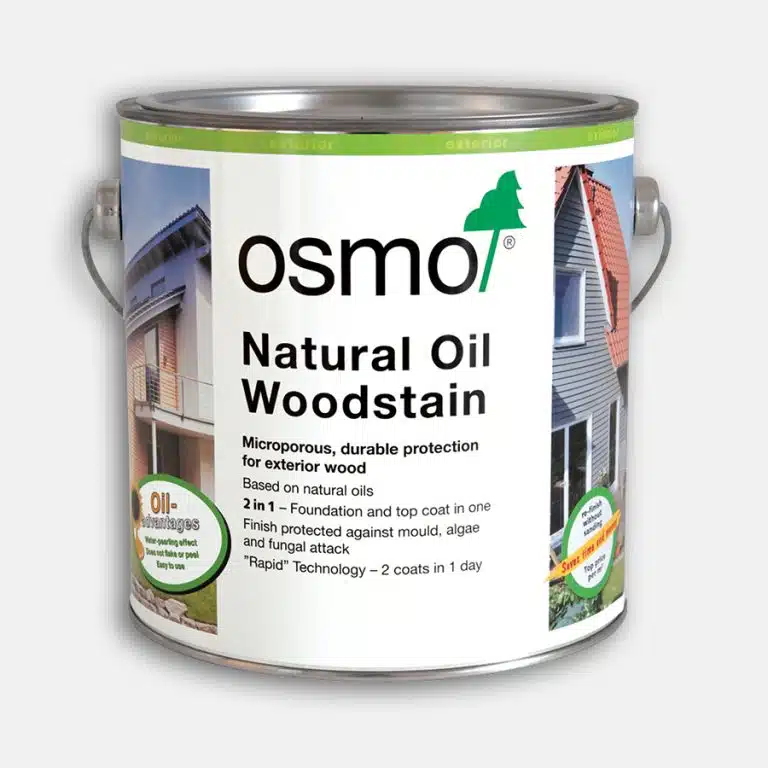
Great. Now. Onto the Wood Primer.
‘What? There’s more to the process?! I just wanted an easily erected timber product.’
We know. But it’s not as strenuous as you might expect. These days there’s a range of products available for timber treatment. Sometimes, a 3-in-1 product may be all you need. We, here at Atkinsons, are giving you a guide. That’s it.
But, unless you’re painting it up, you’ll be pleased to know this is the last advisable step.
(After the application of the wood protector!)
Wood primer has a multitude of things it can do for your timber. Here’s just a few main ones:
- It can hide unseemly stains
- Prevent discolouration
- Create a surface your top coat of paint (if you choose to paint it) can adhere to
- Promote a long-lasting depth of colour and a smooth finish
- And, finally, it prepares the surface for painting
Alternatively, you can look for paints which are classified as self-priming. The key thing to remember, when you top up or change the colour: the undercoat. Painting on an undercoat is an important step to carry out. For an optimal finish an optimal foundational surface layer should be applied.
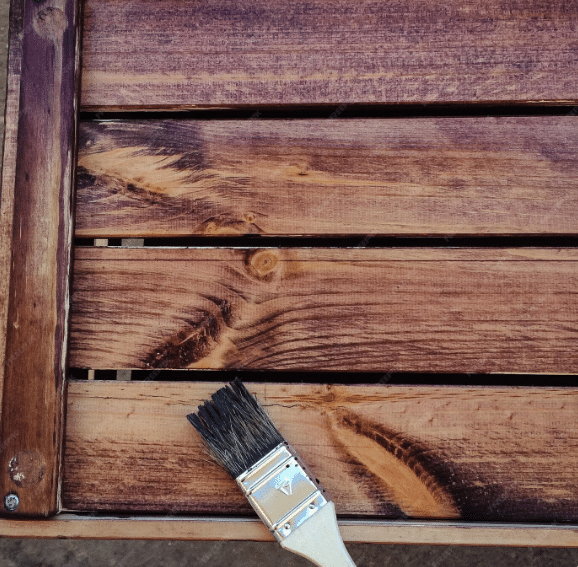
All done? Definitely? Do you know when to apply the timber treatment?
‘When?’
It’s an onslaught of information, isn’t it?
That’s why we’ve created two handy guides.
One takes you through the basic principles of the timber treatment process – .1
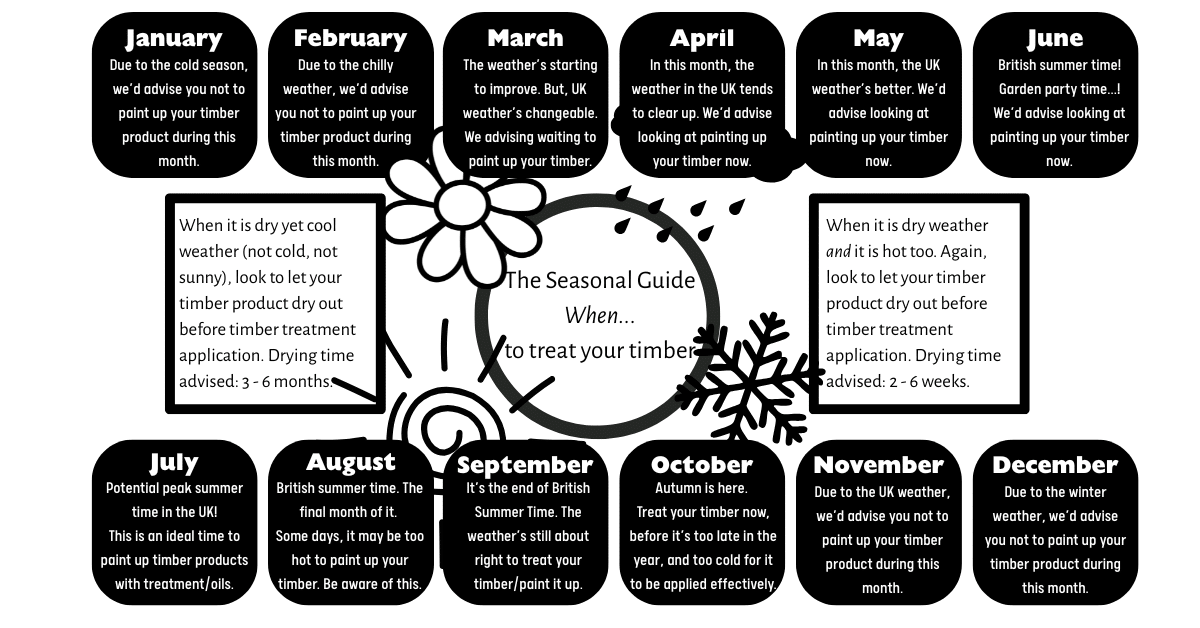
The other takes you through the seasons, months, and times of the year. For when to and when not to apply timber treatment product to your shed, outdoor building, benches, chairs, tables etc – .2
- The process pictured does leave out timber that’s not heat-treated and/or pressure treated. This is because Atkinsons its timber. Atkinsons prides itself on being a top-quality timber supplier, manufacturer, and fitter of its timber products. Wood not pre-treated would likely be labelled as virgin wood, and would not generally be up for sale to the public.
- The pictured section for times of the year, seasons, months, and points for best possible application: for timber treatment products will vary. This is not an exhaustive exemplar: it is a guide. For more explicit information, please refer to the properties and directions of use marked on the products themselves. Alternatively, take a look at advice columns and other blogs. These will provide more extensive bits of information.
Pictured Seasonal times for Timber Treatment
See image – 2.
Date Posted: 17/04/2026
View the video of Timber treatments
Find out about a slice of what protection and treatment products are on offer by clicking play, below.
View a small number of products
All are available to buy via our site, or on-site (in our showrooms).
FAQs
What if I pick up the wrong product? Can I rectify the problem?
If you have applied the product to the timber, you will need to rectify the problem yourself, or pay for a service of support. To resolve this, you would need to purchase sandpaper, ranging from 120 to 150 grit (it will likely state this information on the label), and sand the wood down. This removes the layer accidentally applied. After that, you can apply the correct product. If you picked up the wrong product, you’ve not opened it, and it’s within 30 days of the purchase, come see us. We’ll try to help you resolve the product problem. If you notice the problem after this period of time, purchase the correct product, then begin the application process to the timber (as seen above).
After the standard 30 days after purchase, UK law and procedure, we cannot help you.
Equally, we may not be able to help you if there’s nothing explicitly wrong with the item. The 30 day period is usually in relation to products that are mis-sold, and products that are damaged. For more in-depth information on your rights as a consumer of goods and services in the UK, visit this link.
*Please bear in mind that the 14 day cooling-off-period applies only to online purchasing.*
What if I can’t afford to buy all the products, all at once, needed in the timber treatment process?
You can space out your purchases. Buying one item at a time, as needed. You can choose from the various online payment options. And, you can also pick up all-in-one style products. However, if you do get products that have multiple purposes, make sure before you buy them, that they explicitly stipulate their uses for timber.
It’s all a bit complicated. Can I come in and ask for help?
Of course you can! We have three main showrooms, with Atkinsons experts on hand, and we have a showroom locator. So you can find your nearest showroom.
How do I know if I’ve followed the right steps to maintain and upkeep the timber of my product from you?
You’ll know yourself. If you skipped a step of the timber treatment the year before, or prior to painting it up in one-colour, the chances you’ll see this in the finish on the timber is high. The other thing you’ll notice is all of the above things that can quickly go wrong with timber. Particularly, if you’ve not treated it.
One thing that must be noted: the drying period before applying any product that’s advised.
The wood needs time to oxidise and stabilise.
Also, in applying product too quickly, you might contribute to larger amounts of warping to the wood. Warping happens overtime either way, but you don’t want to be contributing to the quickening that process.
Do you offer services or signpost services if I can’t preserve and protect my timber product?
Yes. We can advise you on the options we have in our showrooms, and we can refer you to our own painting team experts. This team is a small one, but they’ve an abundance of experience. And, they can even quote you on what it would cost for them to do it for you.
Alternatively, Atkinsons advise searching for How-To YouTube videos.
*We may produce some of our own How to videos in the future for this. Keep a look out for them. We’re likely to post them onto our Facebook, Instagram, BlueSky, TikTok, or YouTube platforms.
Can I order these products through your website, or are there some you only offer within your showrooms?
Yes. You can order timber treatments on our website.
The website (to date) has been predominantly designed to showcase finished product, timber, offers, and the membership. But, we are constantly rejuvenating the website. We’re always aiming for better goods and services today, than what we had yesterday. With that said, yes, some timber treatment products are more readily available to purchase at our showrooms.
If you have more niche requests to this, as in specific timber treatment areas (or something else we do) contact us direct.
Use the contact form to get in touch and state your query there.
And how much is delivery?
Smaller products in the local vicinity have less of a price tag on the delivery. Larger items would incur a higher cost.
However, all of this is all highlighted at checkout. Please check all the information before you proceed with your purchase.
Ok. Daft question time. What colour should I paint my timber?
First off – no question is a daft question. If the purpose of it is to gain an answer of significant substance, and you get that need fulfilled, it was useful. Say useful next time you think this. Secondly, Atkinsons advises you to be as free as you like in this area.
As long as it is readily available on the market and it fits in with the timber treatment process (i.e. enhances your timber item, rather that damages it in any way). If you are experiencing decision paralysis, then slow down for a minute or two. In a few weeks from the date of this blog, we’ll be posting an exclusive top ten list of the favoured timber colours people opt for in painting up their products. We’ll also do our bit, and research what the favourite fashion colours are for 2026, to paint up your products in your home and garden. In the meantime, watch out for our next blog, discussing the top outdoor buildings in your outdoor living space. Next blog due to be posted: 01/05/2026