
How to Build a Base for Your Garden Building
When you’re investing in a new garden building—whether it’s a shed, summerhouse, or garden office—it’s important to get the foundations right. A solid, level base will keep your building stable, prevent damp issues, and ensure it lasts for many years.
In this guide, we’ll show you how to build a strong base for your garden building and highlight the best options available from Atkinsons Fencing.
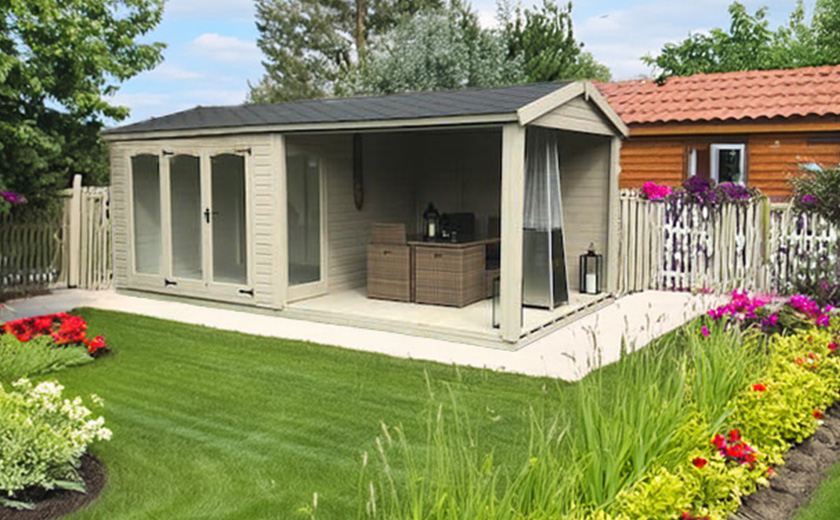
Choose the right location
Before you start, choose a flat, well-drained area of your garden. Avoid soft or uneven ground and ensure there’s enough space around your building for easy access and maintenance.
Top Tip: Leave at least 300mm (1ft) clearance around your building. This helps with ventilation and makes future maintenance easier.
Picking the best type of base for your garden building
The type of base you choose depends on the size and weight of your building, as well as your garden surface. Atkinsons recommends three popular options:
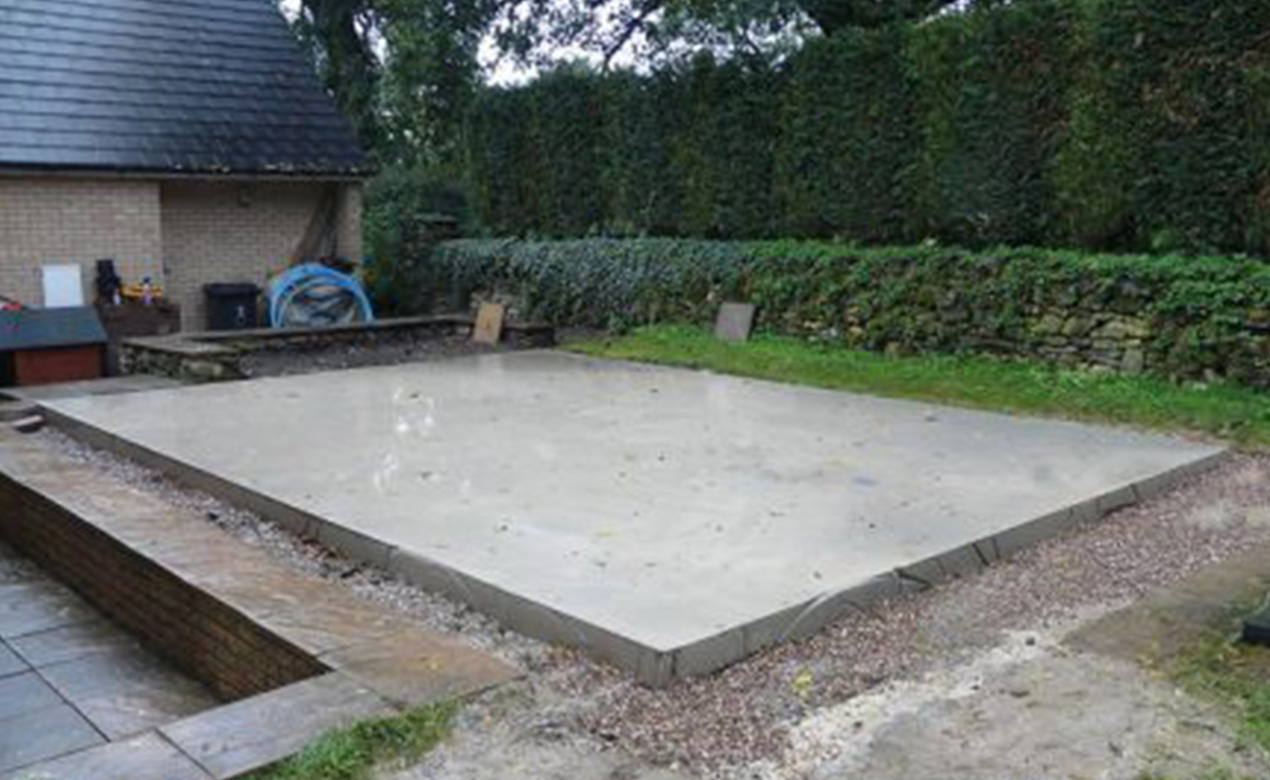
Concrete Base
Best for: Large, heavy buildings such as garages, workshops, or large garden offices.
Benefits: Extremely strong, durable, and low-maintenance.
How to Build a Concrete Base:
-
Mark out your area slightly larger than your building footprint (around 50mm extra on each side).
-
Excavate the ground to about 100mm deep.
-
Add a 75mm compacted hardcore layer.
-
Pour 100mm of concrete, level with a straightedge, and smooth the surface.
-
Allow 48 hours for the concrete to set before installing your building.

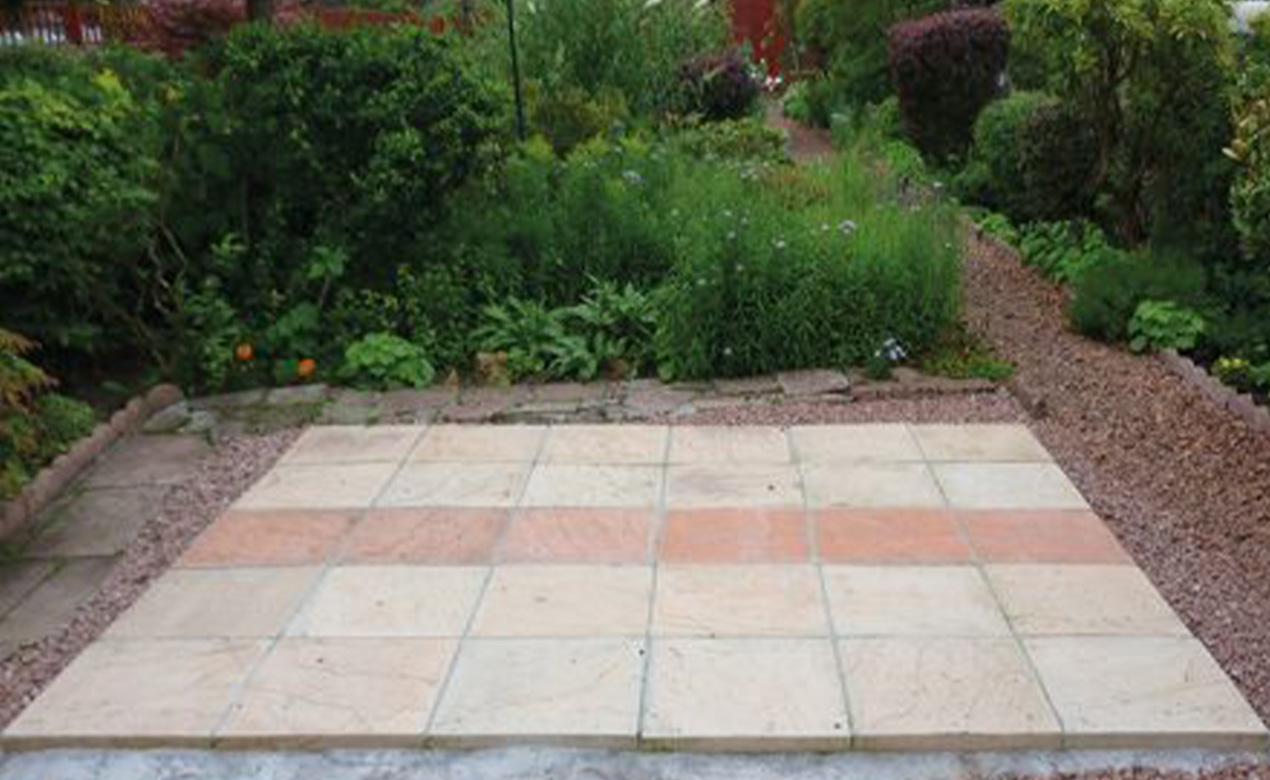
Paving slab base
Best for: Medium-sized sheds, playhouses, or smaller summerhouses.
Benefits: Quick to install, cost-effective, and easy to remove if needed.
How to Build a Paving Slab Base:
-
Lay a weed control membrane to stop growth.
-
Spread a compacted layer of sharp sand or fine gravel.
-
Position your paving slabs evenly, checking with a spirit level.
-
Brush sand between the slabs to lock them in place.
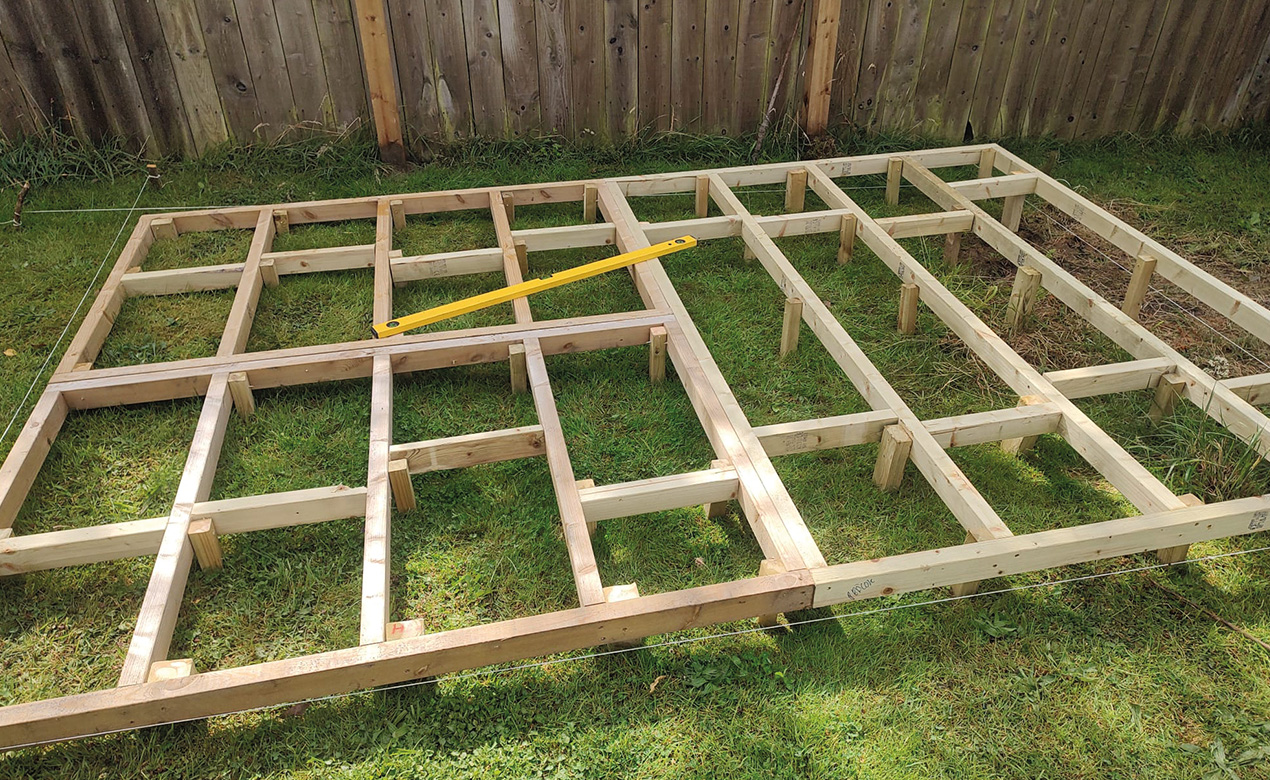
Timber frame base
Best for: Smaller garden buildings or when working with uneven ground.
Benefits: Lightweight, good for drainage, and easy to install.
How to Build a Timber Base:
-
Use pressure-treated timber, such as Atkinsons’ sawn treated timber, for long-lasting protection.
-
Create a rectangular frame to match your building size.
-
Add cross supports (joists) at regular intervals.
-
Rest the frame on concrete blocks or adjustable plastic feet.
-
Check the base is perfectly level before installing your building.
Check for level
Once your base is built, always check it’s level using a long spirit level or laser.
Even a small unevenness can lead to door misalignment or warped panels over time.
Add a damp proof layer
Before assembling your garden building, lay a damp-proof membrane (DPM) over the base.
This extra layer helps to prevent moisture from rising through the floor and keeps your building dry.
Final checks
✔ Make sure the base matches your building’s exact footprint.
✔ Sweep away any debris or stones.
✔ Confirm everything is level and secure.
Once complete, your garden building will have a solid, long-lasting foundation.
Additional tips
-
Keep your base slightly raised above ground level to improve water drainage.
-
Always follow your building’s installation guide for specific base requirements.
-
Not confident in DIY? Atkinsons can recommend trusted local installers to build your base and fit your garden building.
Summary
A strong base is the key to a long-lasting garden building. Whether you choose a concrete, paving slab, or timber framebase, the secret lies in careful preparation and using quality materials.
Atkinsons Fencing supplies a full range of treated timber, weed membranes, decking joists, and hardware to help you build your perfect base — ready for your new shed, summerhouse, or garden room.