
How to Look After Your New Pressure-Treated Garden Fencing
Installing a new pressure-treated fence is a great investment for your garden. Pressure treatment protects your timber from rot and fungal decay, giving it a long lifespan and keeping it strong for years to come. But like all natural wood products, your fence will last much longer — and look much better — with a little routine care.
Here’s our simple Atkinsons guide to keeping your pressure-treated garden fencing in top condition.
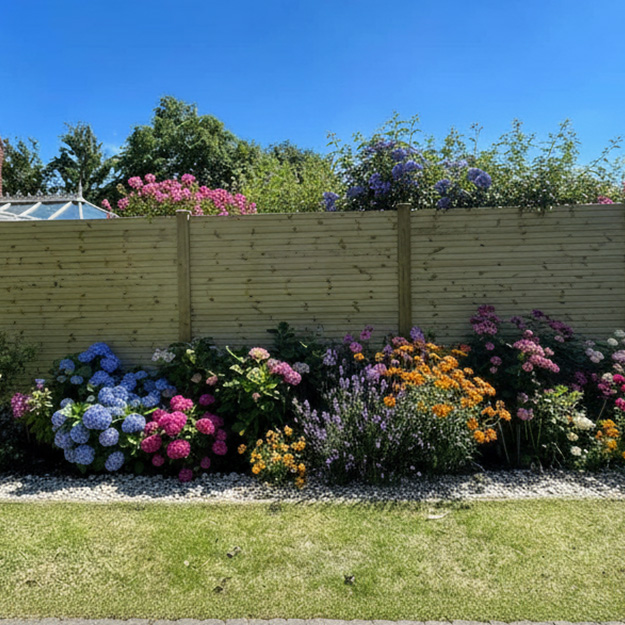
Let the Timber Dry Naturally
When your fence is brand new, the timber often contains excess moisture from the pressure-treatment process.
Before applying stains, paints or oils, allow the wood to dry.
Why this matters:
Applying a treatment too early can trap moisture and lead to peeling or uneven colour.
Tip:
Choose a dry, mild spell of weather for your first application of treatment.
Treat the Fence for Extra Protection
Pressure treatment protects the timber from decay — but it does not prevent surface mould, weathering, or natural movement such as small cracks.
A good-quality exterior wood preservative, oil, or clear treatment will:
-
Improve water resistance
-
Reduce splitting and warping
-
Prevent mould and algae build-up
-
Enhance the appearance of the timber
Avoid very dark colours: they absorb heat and can increase the chance of movement or splitting.
Don’t forget to seal end grains, cuts, drill holes, and joints, as these are the most vulnerable points.
Keep the Fence Clean & Tidy
Over time, dirt, algae, moss, and mildew can collect on timber — especially in shaded or damp gardens. Cleaning helps your fence dry faster and prevents moisture getting trapped.
Simple cleaning routine:
-
Brush off loose dirt and debris
-
Use a mild detergent or wood-cleaning solution
-
Rinse gently (avoid high-pressure washing on softwood)
-
Allow it to dry fully
Also try to keep plants, soil, or stored items away from the base of the fence so air can circulate freely.
Check for Small Issues Before They Become Big Ones
A quick visual inspection every few months can extend the life of your fence dramatically.
Look out for:
-
Loose boards or fixings
-
Small cracks or splits
-
Signs of mould or algae
-
Wobbly posts
-
Soil and moisture build-up around the base
Fixing minor issues promptly prevents more serious problems later on.
Re-Treat the Fence Every 2–3 Years
Even though your fence is pressure-treated, it will still benefit from a fresh coat of protective treatment every few years.
Exposure to sun, wind, and rain breaks down surface protection over time. Regular re-treating keeps moisture out, reduces cracking, and preserves the colour and appearance of the wood.
If your garden is especially exposed or damp, an annual check and touch-up is worthwhile.
Expect Natural Wood Movement — It’s Normal
Pressure-treated timber is a natural product, and some characteristics are completely normal, including:
-
Minor cracks and splits
-
Warping or twisting
-
Shrinkage or swelling
-
Occasional sap leakage
These do not affect the structural integrity of the fence.
Regular treatment helps minimise these effects, but some natural movement will always be part of timber’s character.
Final Thoughts
With the right care, pressure-treated fencing can last for decades. A little routine maintenance goes a long way towards keeping your fence looking its best and performing well throughout the seasons.
If you ever need advice, replacement panels, or help with installation, Atkinsons Fencing is always here to help.